Sourdough Starter for Beginners: A No-Fuss 7-Day Guide
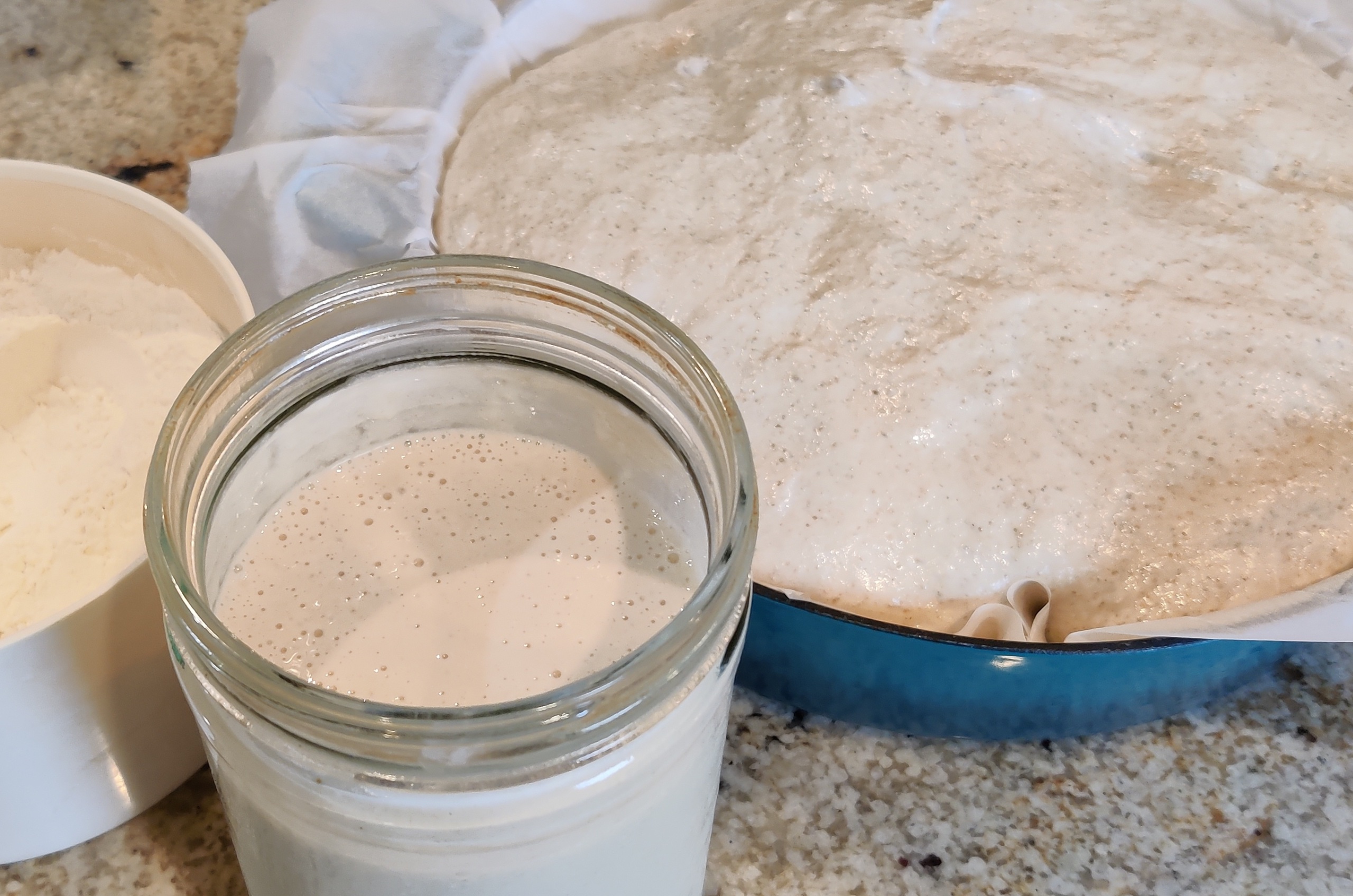
I babied my first sourdough starter like it was an actual pet. I was nervous, I set timers, worried who would take care of it while I was on vacation. We named her, Gary.
Then I just got tired and busy for a stretch, and stop checking it every three hours. And it was just fine. That’s the advice I’m passing on to you. A sourdough starter is remarkably forgiving. It wants to live. Your job is mostly to get out of its way.
What is a Sourdough Starter?
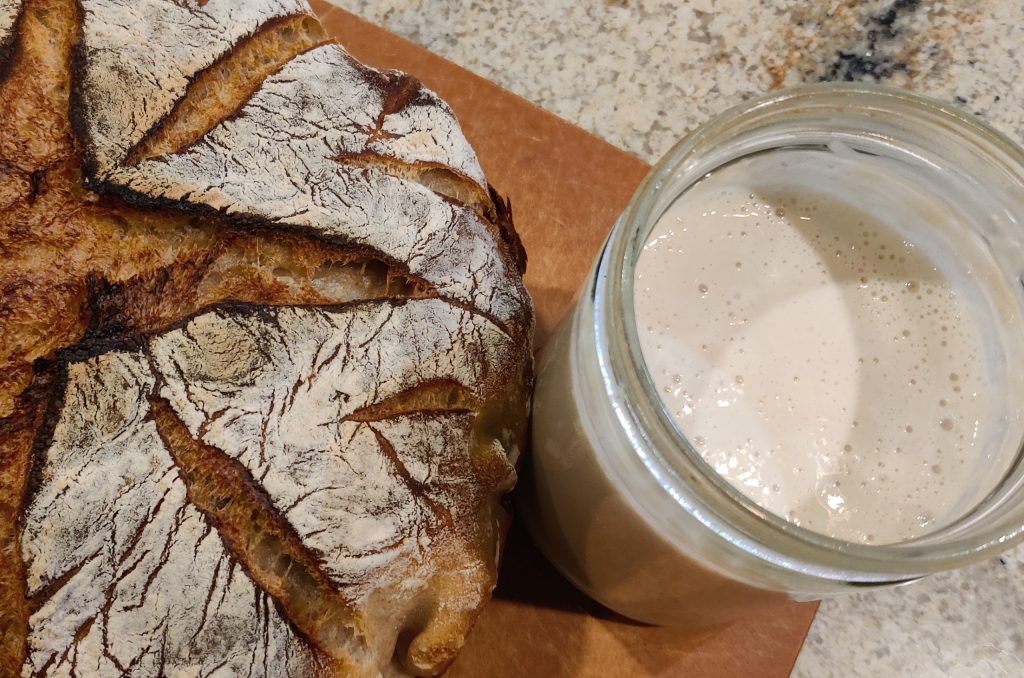
A live fermented mixture of flour and water that captures wild yeast and bacteria from your environment. It makes sourdough bread rise and gives it that tangy flavor, no commercial yeast needed. Once established, a starter can last indefinitely with regular feeding.
This post contains affiliate links. As an Amazon Associate, I earn from qualifying purchases. If you purchase through these links, we may earn a small (very small) commission at no cost to you. We only recommend products we love. See our privacy policy for details.
Equipment
- rubber band to mark the level of your starter
- 32 oz wide mouth glass jar with a loose-fitting lid or cloth cover
Ingredients
- Whole wheat or rye flour days 1-2, then all-purpose or bread flour
- Water filtered, or tap water left to sit overnight if heavily chlorinated
Instructions
The 7-Day Process – Sourdough Starter for Beginners
Day 1
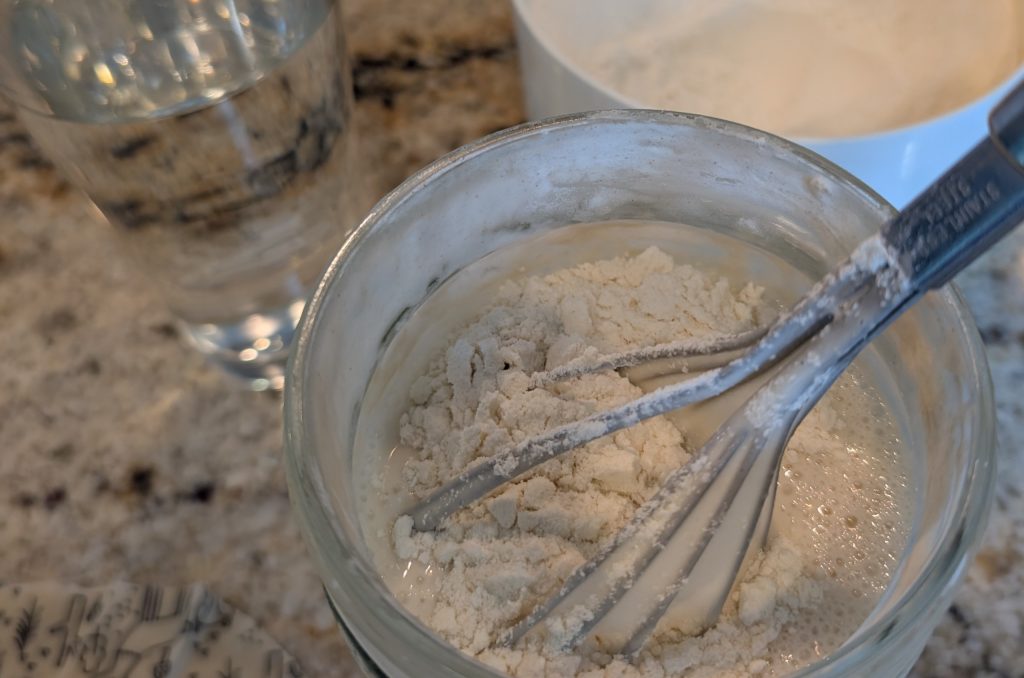
- Mix 50g whole wheat flour + 50g lukewarm water. Stir until no dry flour remains. Cover loosely, leave at room temperature (ideally 21-24C / 70-75F). Mark the level. Leave 24 hours.
Day 2
- Discard all but 50g. Add 50g all-purpose flour + 50g water. Stir, mark, wait 24 hours.
- Note: Why discard? Keeps acidity balanced. Use discard in pancakes, crackers, or flatbread — don’t waste it. Once your start is ready you can experiment with your sourdough starter.
Days 3-4
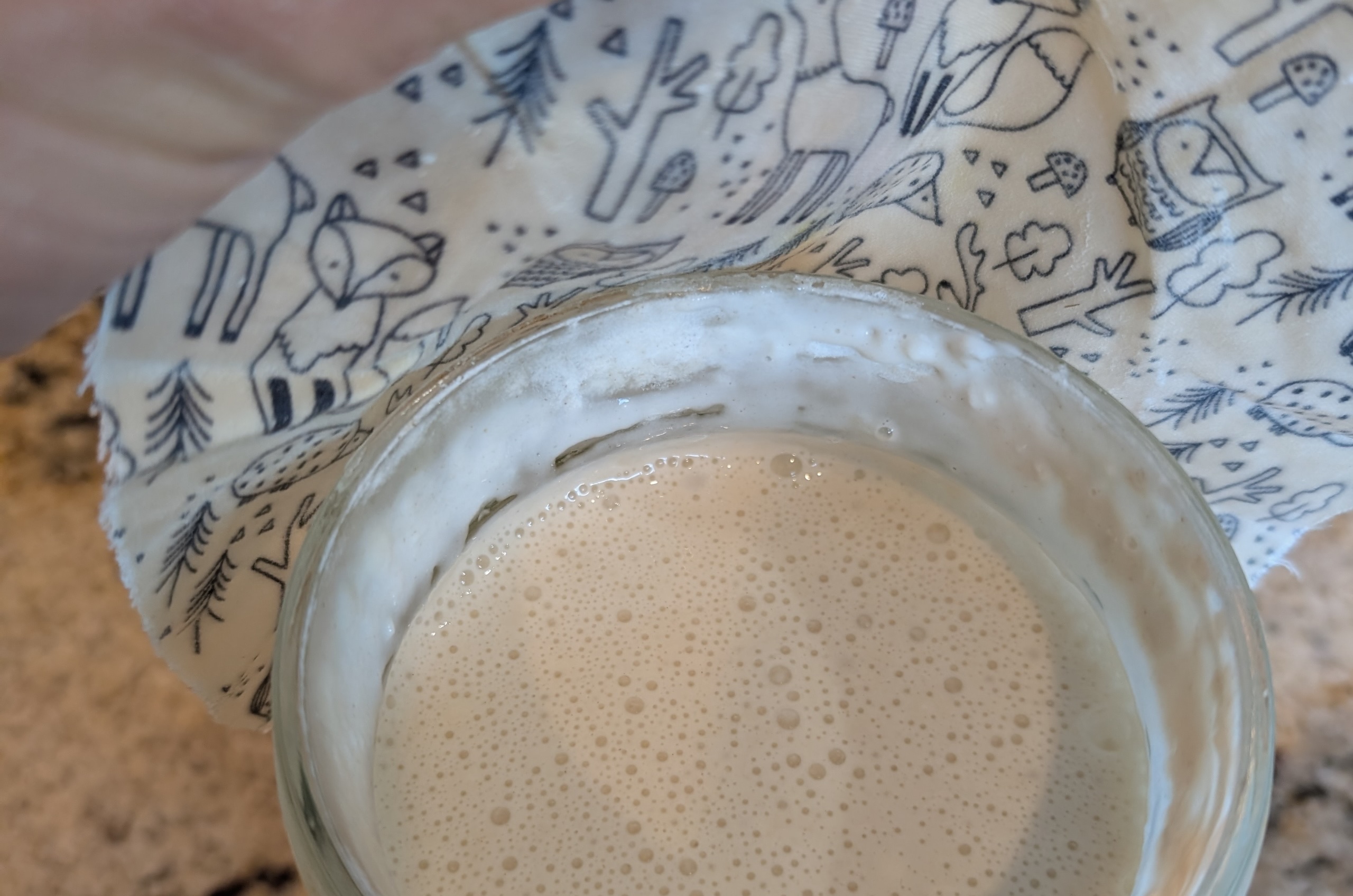
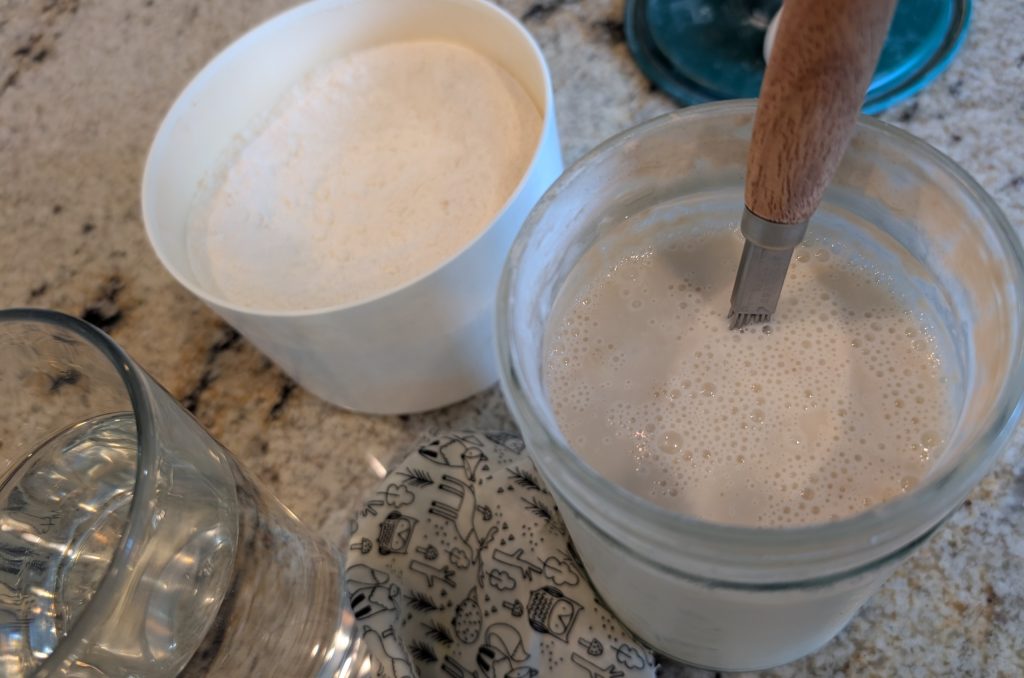
- More activity — bubbles throughout, slight sour smell, the mixture rising and falling. Keep discarding to 50g, feeding 50g flour + 50g water every 24 hours.
Days 5-6
- Visibly active — rising reliably, full of bubbles, smelling pleasantly sour (like yogurt or mild vinegar). Switch to twice-daily feeding if it peaks before 24 hours.
Day 7 — The float test
- Drop a small spoonful into water. If it floats, it’s ready. If it sinks, give it another day or two. Don’t rush, patience here means better bread later.
Troubleshooting
- Liquid on top (hooch): hungry starter, pour off and feed immediately. Not harmful.
- Pink or orange streaks: discard entirely and start again. The only sign of real spoilage.
- Not rising after 7 days: try a warmer spot, filtered water, or higher-protein flour.
- Smells like nail polish: too acidic, increase feeding frequency.
- Smells pleasantly sour and beery: perfect. You’re doing great.
To Discard or Not to Discard
Once your starter is bubbly and ready to use your next step is to keep it alive and use it in your everyday routine. I’ve read endless reddit threads on whether or not you should or need to discard, feed and store your starter in any particular way. From what I can tell, I can say for certain that, ‘It Depends’. What works for you may or may not work for someone else.
For your sanity I would recommend finding a few recipes you use regularly with Sourdough. Ours are bread, pizza dough, pancakes and waffles. That way I’m using my starter every week.
Baking Often?
- Feed Regularly: If using the starter more then twice a week, feed it by adding water and flour to replace the amount of the sourdough starter used.
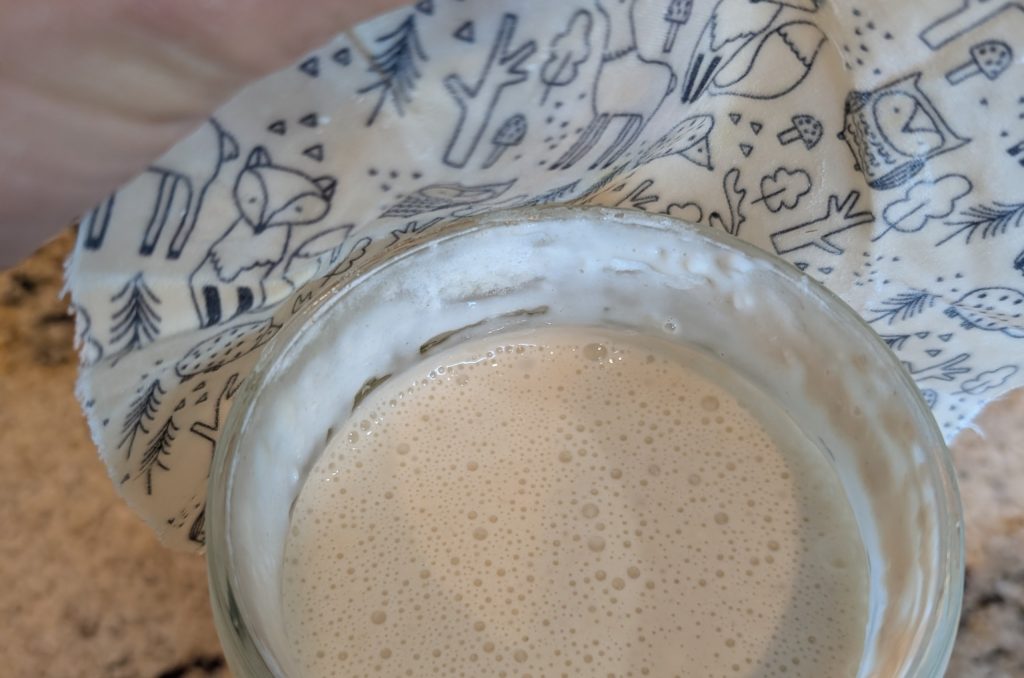
- Storing: Keep the sourdough starter in a clean, covered jar at room temperature.
Taking a break?
- Feed Weekly: Feed the starter once a week leaving it out on the counter for a few hours after feeding before returning to the fridge.
- Storing: Store the sourdough starter in the fridge. For longer breaks, refrigerate or dry some of it for backup.
Test methods with minimal waste and the least amount of oversight first. See what works best for you, it’s pretty forgiving. If you have questions reach out to us, we’re happy to help.
Once Your Starter Is Ready – Experiment
Your first loaf won’t be perfect — that’s completely expected. Sourdough is a skill that develops over time. Keep going!
Looking for a pan to bake your crusty homemade sourdough bread in? Check out, The Best Bread Pan for Baking Sourdough: A Complete Guide with reviews, tips and recommendations for all bakers and budgets.
Then get out there and test out some of our sourdough recipes below.