The Best Bread Pan for Baking Sourdough: A Complete Guide
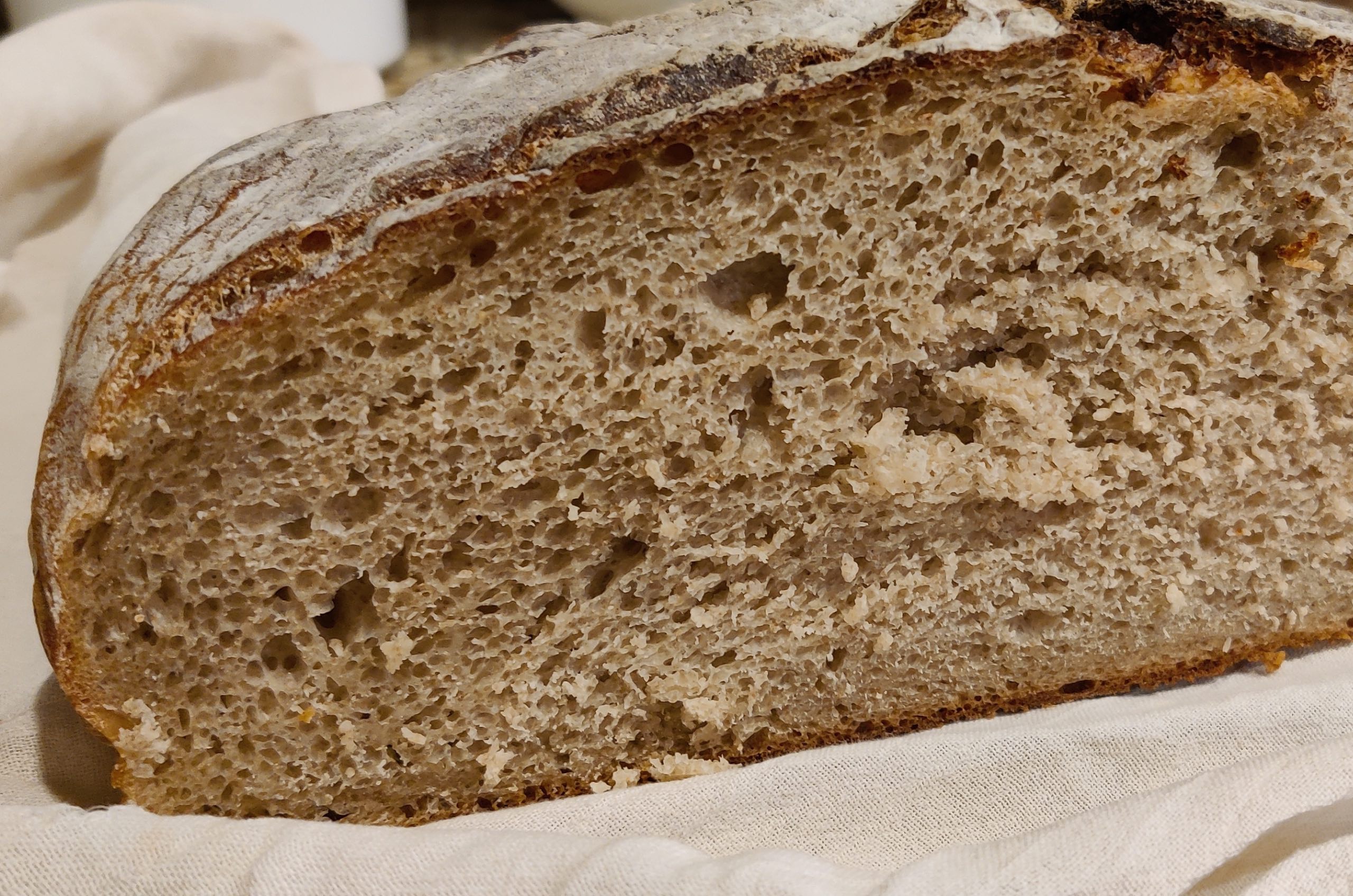
From crusty loaves to soft interiors, choosing the right bread pan can make all the difference in your sourdough baking.
Why Does the Pan Matter?
Baking sourdough bread isn’t just about the recipe—it’s about creating the perfect environment for your dough to transform into a golden, crusty loaf. The right pan:
- Retains and distributes heat evenly.
- Creates steam for that perfect crust.
- Supports the shape and structure of your dough.
Whether you’re a beginner or a seasoned baker, investing in the right pan is key to improving your sourdough game.
This post contains affiliate links, please see our privacy policy for details. If you purchase something through these links we may earn a small (very small) commission at no cost to you and we do really appreciate your support.
Types of Bread Pans for Sourdough Bread
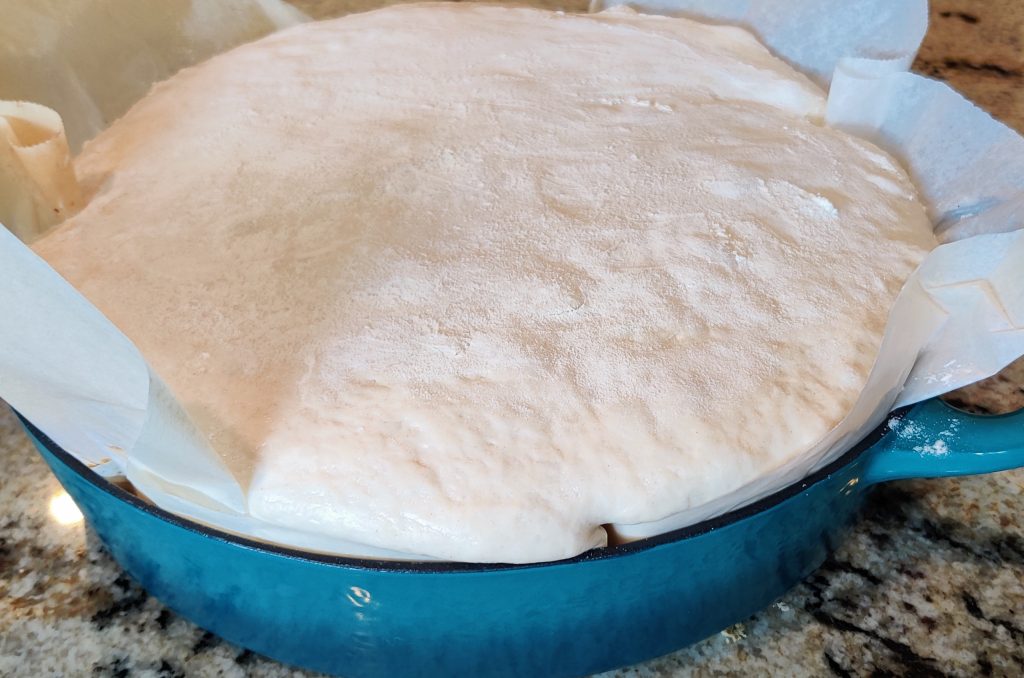
1. Dutch Oven: The Gold Standard
A Dutch oven is the go-to choice for sourdough bakers, and for good reason:
- Its heavy lid traps steam, mimicking the environment of a professional steam-injected oven.
- The cast iron retains and distributes heat evenly, ensuring a consistent bake.
- If you splurge on one, it can be used for more than just bread baking, reducing kitchen clutter.
Top Dutch Oven Picks:
- Budget-Friendly: Lodge 6-Quart Cast Iron Dutch Oven – Affordable, reliable, and long-lasting.
- → Best for beginners or everyday bakers who want consistent, bakery-style results without a big investment.
- Mid-Range: Merten & Storck Cast Iron Dutch Oven – A favorite for its quality, durability, and aesthetic.
- → Best for home bakers who want a step up in durability and design while still keeping things practical.
- Premium: Staub Cocotte – Known for its superior heat retention and gorgeous enamel finish.
- → Best for experienced bakers who care about top-tier performance and a piece that looks beautiful on the table, too.
💡 Tip: Preheating your Dutch oven before baking ensures an even rise and golden crust.
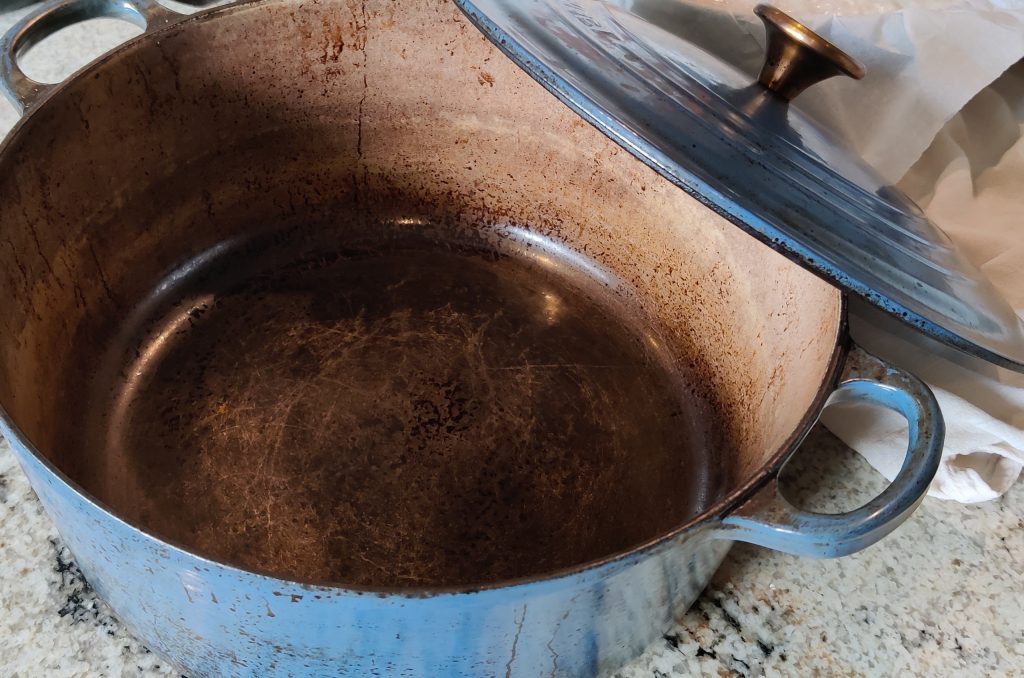
2. Bread Cloche: For Artisan Loaves
A bread cloche is like a mini oven for your bread, creating an enclosed space to trap steam and bake evenly. It’s ideal for rustic, round loaves.
Best Bread Cloche Options:
- Bread Cloche – Lightweight and budget-friendly with great results.
- → Best for bakers who want an affordable way to get that classic crusty artisan loaf at home.
- Emile Henry Bread Cloche – Made from ceramic, it produces an exceptional crust.
- → Best for artisan-style sourdough lovers who want a reliably crisp crust with a more traditional baking approach.
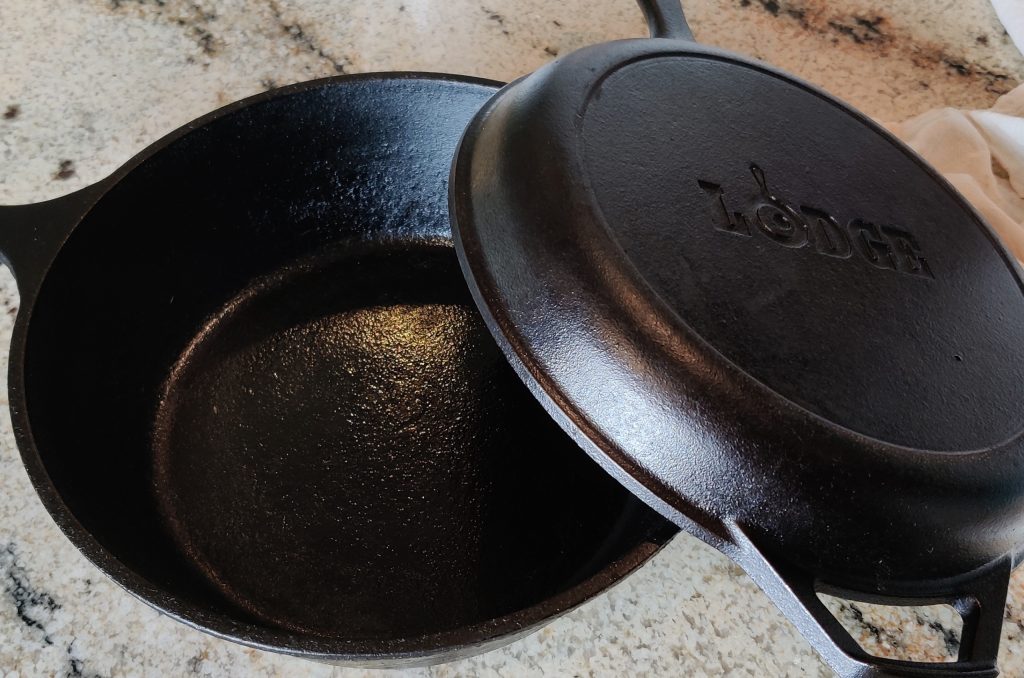
3. Cast Iron Skillet with Lid
If you already own a cast iron skillet, you’re in luck! Pair it with a heavy lid, and you have an excellent sourdough baking setup. While it may not trap steam as effectively as a Dutch oven, it’s a great alternative.
Recommendation:
- Lodge Cast Iron Combo Cooker – The deep skillet and shallow lid make it versatile for bread and other recipes.
- → Best for resourceful bakers who want a versatile, budget-friendly alternative to a Dutch oven.
- Cast Iron Challenger Bread Pan – Built to easily create artisan bread loaves at home.
- → Best for serious sourdough bakers looking for maximum oven spring and professional-level results at home.
4. Baking Stone or Steel
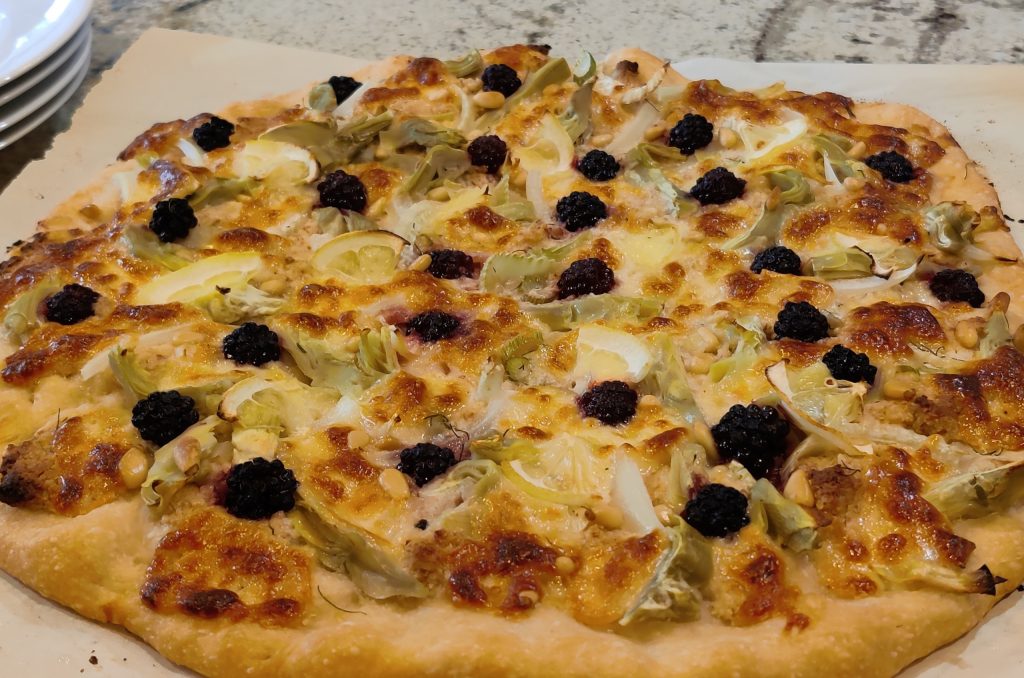
For a more traditional approach, baking stones or steels provide a crisp bottom crust and even heat distribution. Use them with an inverted roasting pan or a tray of water to create steam. Bonus: These also make the ultimate pizza crust!
Top Picks:
- FibraMent-D Baking Stone – Durable and reliable for consistent heat.
- → Best for traditionalists who love a crisp bottom crust and baking multiple things like bread and pizza.
- NerdChef Steel Stone – Ultra-conductive and virtually indestructible.
- → Best for bakers who want faster heat transfer and an ultra-crispy crust, especially for high-heat baking.
💡 Pro Tip: Always preheat your stone or steel for at least 30 minutes before baking.
5. Pullman Loaf Bread Pan: For Sandwich Bread
If you prefer sandwich-style sourdough bread, a loaf pan with a lid ensures a uniform shape and soft crust.
Recommendation:
- Cast Iron Loaf Pan – Nonstick and made with cast iron for perfect sandwich loaves.
- → Best for anyone who prefers soft, sliceable sourdough for sandwiches, toast, and weekly meal prep.
What to Consider When Choosing a Pan
- Size and Shape:
- Round pans are ideal for boules (round loaves).
- Rectangular pans work well for sandwich bread.
- For a large family use a 7+ quart dutch oven and recipe that uses around 1040 grams of flour.
- Material:
- Cast iron is great for heat retention.
- Ceramic or stone offers even baking and crisp crusts.
- Steel provides durability and quick heating.
- Steam-Trapping Ability:
Steam is essential for sourdough baking. Look for pans with tight-fitting lids or options that allow you to introduce steam into the oven. - Ease of Maintenance:
Nonstick or enameled surfaces are easier to clean, while bare cast iron requires seasoning.
How to Use Your Bread Pan for the Best Results
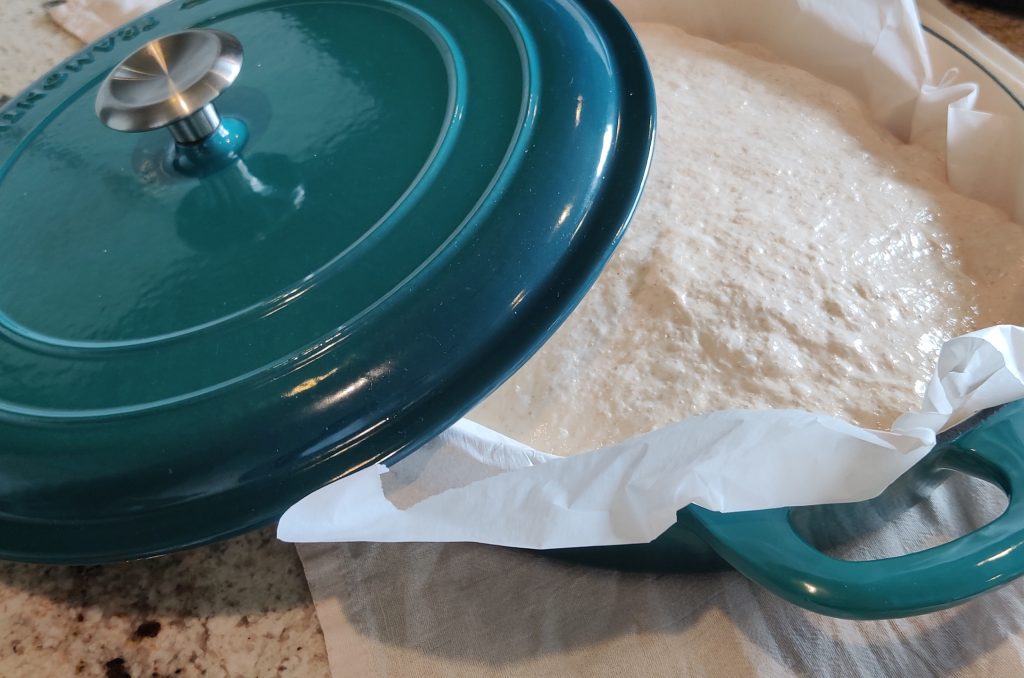
- Preheat Your Pan: For Dutch ovens, skillets, and baking stones, preheating helps achieve the ideal baking environment.
- Use Parchment Paper: Prevent sticking and make transferring dough easier.
- Create Steam: If your pan doesn’t trap steam, add a tray of hot water to your oven or mist the dough with water before baking.
My Top Recommendation
If I had to choose one pan for sourdough baking, it would be the Lodge 6-Quart Cast Iron Dutch Oven. It’s affordable, versatile, and delivers bakery-quality results.
- → If you’re only choosing one, this is the most versatile option for consistent sourdough baking without overcomplicating things.
However, if you’re looking to take your baking to the next level, consider investing in the Emile Henry Bread Cloche for beautifully crusty artisan loaves or the Cast Iron Challenger Bread Pan for a crisp bottom crust.
FAQ’s
Can I bake sourdough without a Dutch oven?
Absolutely! You can use a cast iron skillet, a baking stone with an inverted roasting pan, or even a simple loaf pan with a tray of water in the oven to create steam.
Do I need to line my pan with parchment paper?
While not always necessary, parchment paper prevents sticking and makes transferring dough easier—especially in Dutch ovens. Yes, use it!
How do I care for cast iron pans?
Caring for your cast iron pan is simple once you get into the rhythm: clean it with warm water, and for stuck-on bits, gently scrub with kosher salt as a natural, non-abrasive exfoliant. Dry it thoroughly, then apply a thin layer of oil to keep it naturally nonstick and protected from rust. Avoid soaking or using the dishwasher, and instead reheat it briefly on the stove to remove any lingering moisture—over time, this care builds a seasoning that gets better with use.
Ready to Bake?
Choosing the right pan will take your sourdough baking to the next level. Whether you’re creating a rustic artisan loaf or a soft sandwich bread, the right tools make all the difference.
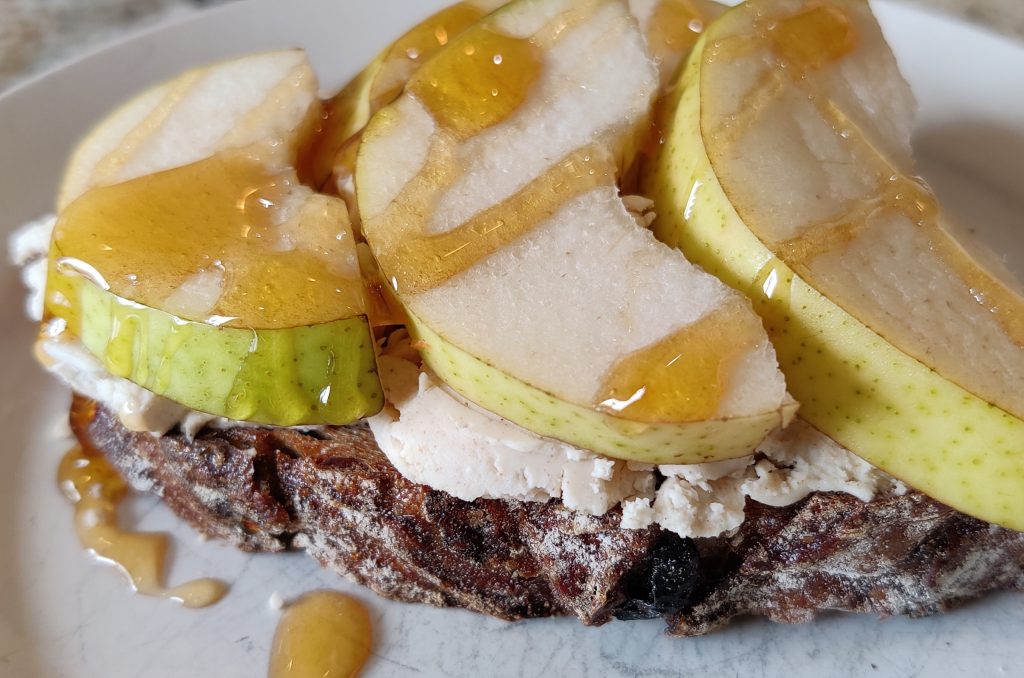
Check out my favorite easy sourdough bread recipe here. We make this every week and it’s a favorite for avocado toast!