How to Build a Low-Waste Pantry from Scratch
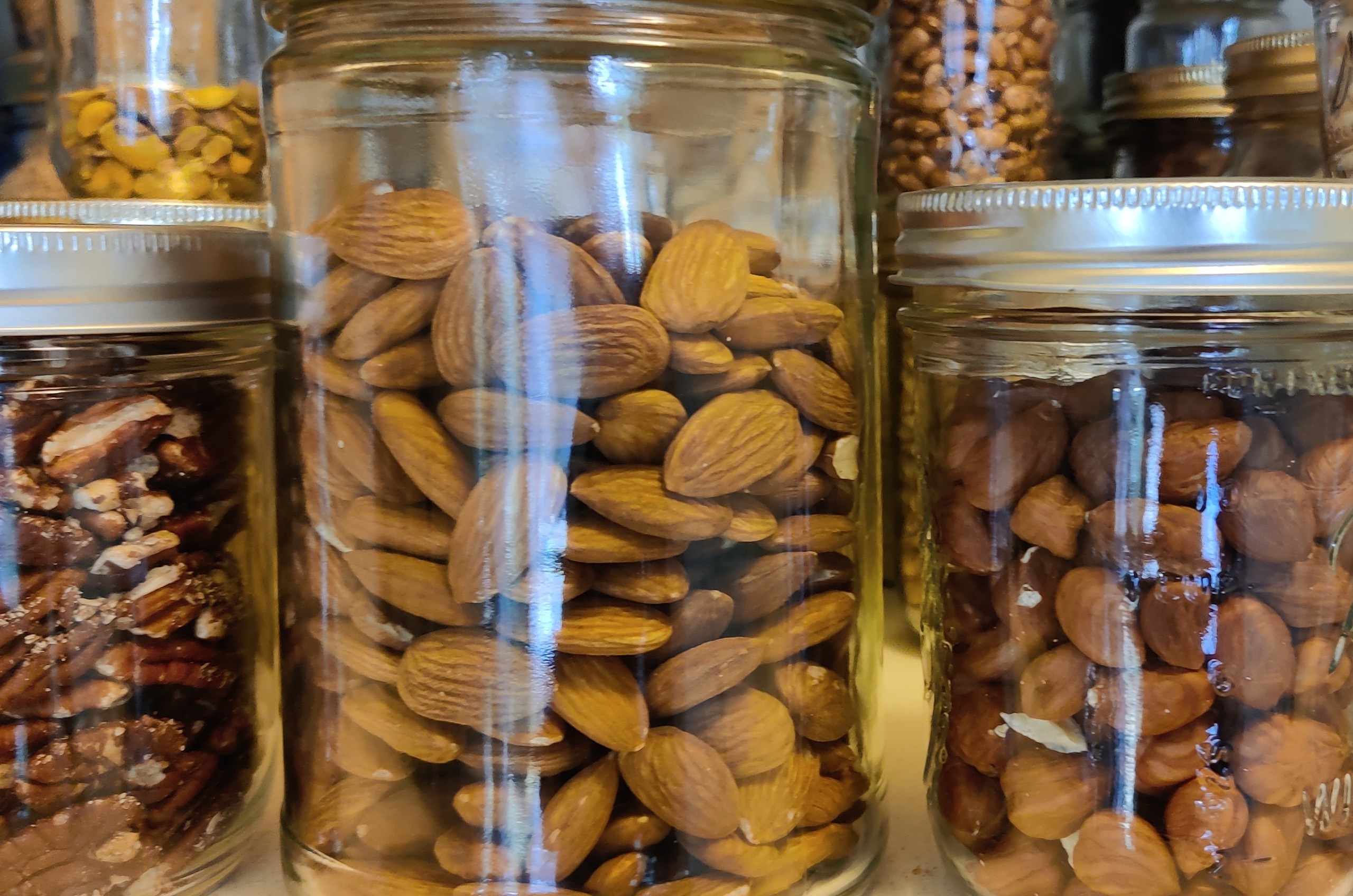
Most people picture a low-waste pantry as a wall of matching glass jars, everything labeled in the same handwriting, not a crumb out of place. It looks great on Pinterest. It also makes the whole thing feel like a project you have to finish in one expensive weekend, which is exactly why most of us never start.
Here’s what I’ve learned after years of chipping away at mine: a low-waste pantry is not a before-and-after. It’s a habit you build one shelf at a time, using mostly what you already own. You do not need to throw out your plastic containers or buy anything on day one. You just need a starting point that doesn’t overwhelm you.
So let’s build one from scratch, in the order that actually makes sense.
Start by shopping your own kitchen
Before you buy a single jar, open your cupboards and look at what’s really there. Almost everyone finds three half-empty bags of the same thing, a spice they bought for one recipe in 2021, and a container of something they forgot they had. That’s not a failure. That’s your starting inventory.
Pull everything forward so you can see it. Group like with like. Use up the odd ends before you restock. This one habit does more for waste and your grocery bill than any container ever will, and it costs nothing. Do this first, every time, before you shop.
Pick five staples to buy in bulk
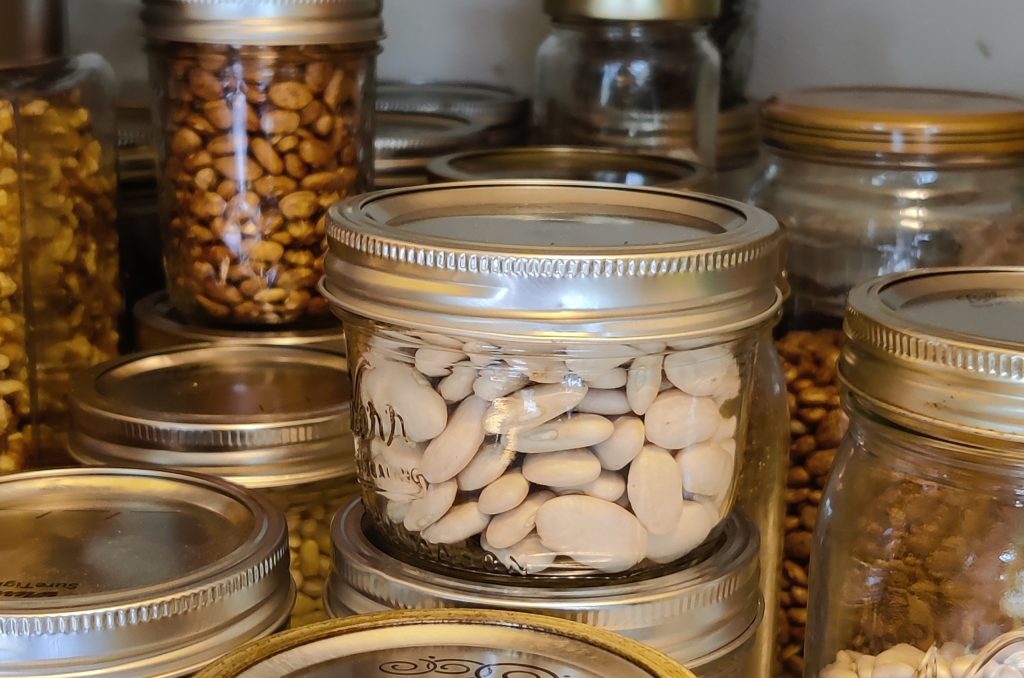
You do not need to buy your entire pantry from bulk bins. Start with the five things you go through fastest, because those are where bulk saves you the most money and the most packaging.
For most kitchens that’s some mix of:
- Rolled oats
- Rice or another grain you cook weekly
- Dried beans or lentils
- Flour, if you bake
- Nuts, seeds, or dried fruit you actually snack on
Pick your five. Ignore the rest for now. The goal is to replace the packaged versions you buy on repeat, not to convert every item in one trip.
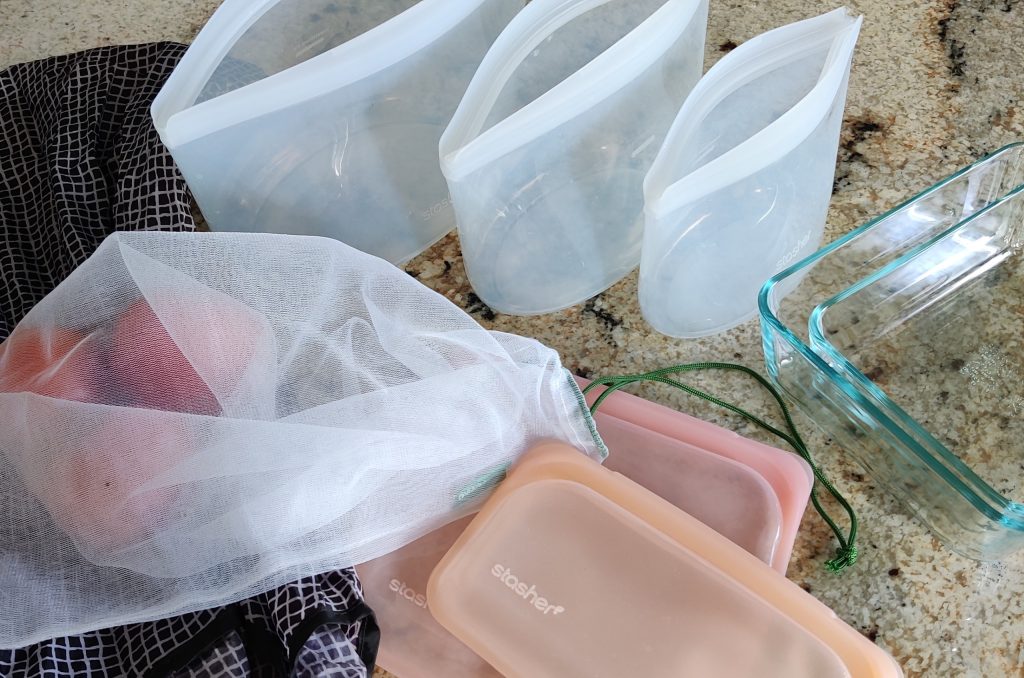
The container starter set for your low-waste pantry
Now, and only now, do containers earn their place. You need somewhere to put the bulk goods you just bought, and you want it to be airtight so nothing goes stale or attracts pantry moths.
You do not need a matching set. Save every glass jar that comes through your kitchen already: pasta sauce jars, jam jars, pickle jars. Run them through the dishwasher, peel the labels, and you have free storage that’s every bit as good as the expensive stuff.
When you do want to buy, here’s the short list I’d prioritize, in order:
Hi-quick note! This post contains affiliate links (below). As an Amazon Associate, I earn from qualifying purchases. If you purchase through these links, we may earn a small (very small) commission at no cost to you. We only recommend products we love. See our privacy policy for details.
- Wide-mouth glass jars for grains, beans, and flour. Wide mouths make scooping and refilling easy.
- Swing-top or clamp-lid jars for anything you want extra airtight, like nuts and coffee.
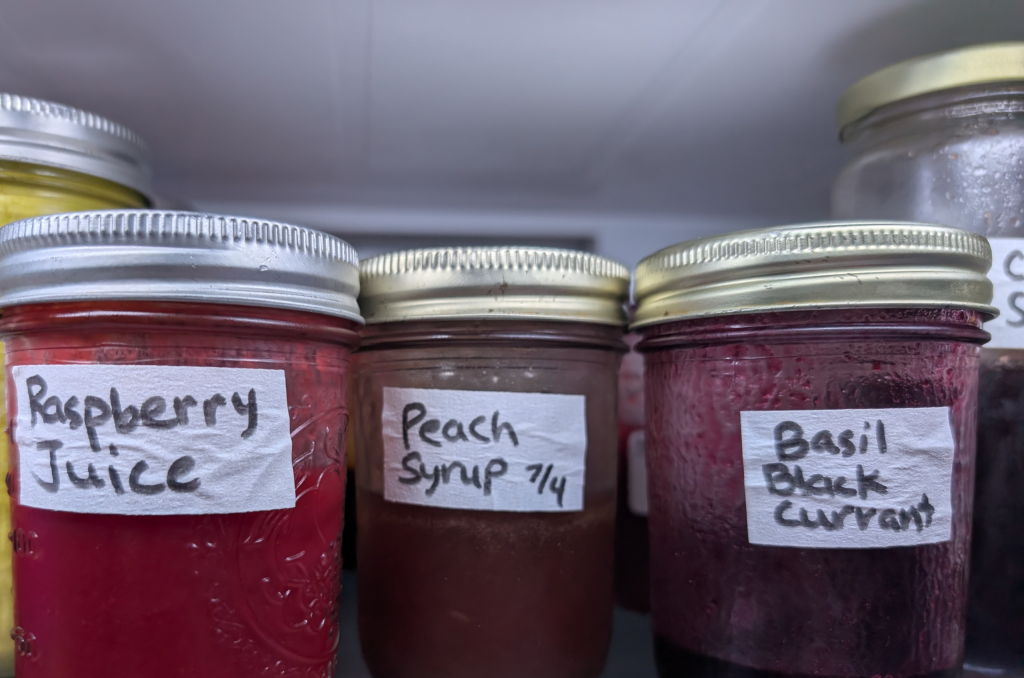
- A simple label system so you can tell the flours apart. Washi tape and a pen work. Reusable labels look tidier.
That’s it. Three categories. Buy them slowly as you need them, not all at once.
Where to actually shop
Bulk bins are the backbone of a low-waste pantry, and they’re more common than people think. Look for:
- Co-ops and natural grocers, which almost always have bulk sections
- Refill and zero-waste shops, if your town has one
- Regular grocery stores, more of which are adding bulk bins every year
Here in the Pacific Northwest we’re spoiled for options, from food co-ops to dedicated refill stores. Bring your clean jars, weigh them empty at the register or customer service desk (that’s the tare weight), fill them, and you only pay for what’s inside. If jars feel like too much to haul, cloth produce bags work for the trip home, and you transfer everything into jars in your own kitchen.
No bulk store nearby? You can still cut a lot of waste by buying the largest package size of your staples and decanting it into jars at home. Bulk bins are the ideal. Bigger packages are a solid backup.
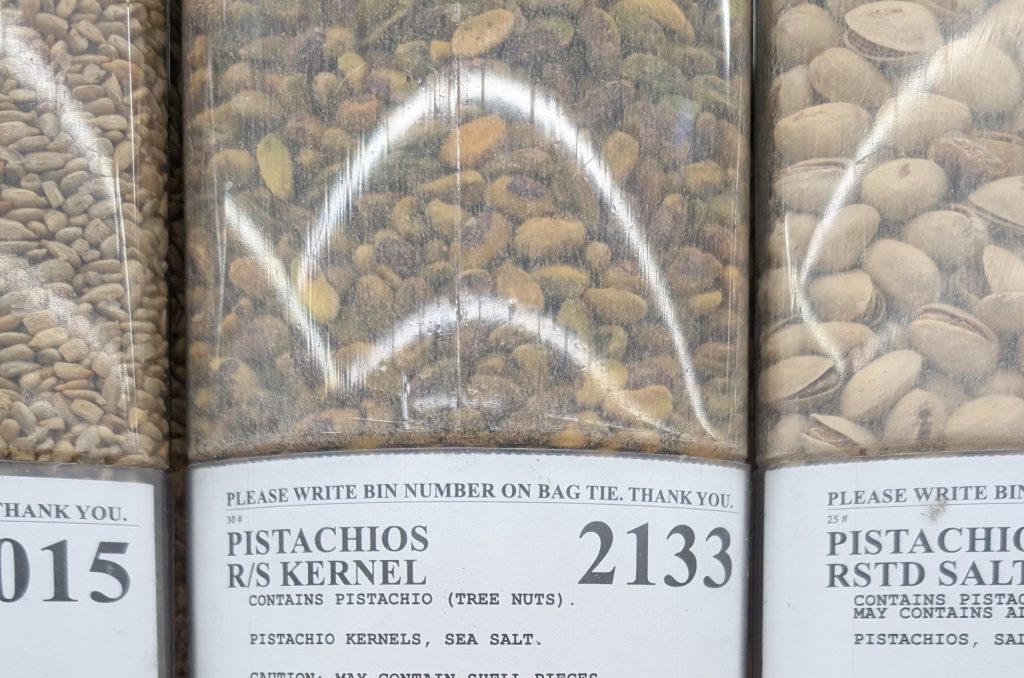
Build a low-waste pantry one category at a time
The fastest way to quit is to try to do everything at once. So don’t.
Give yourself one category a month. Grains in month one. Baking supplies the next. Snacks after that. By the time you’ve cycled through, your pantry has quietly become low-waste, and you never had a single overwhelming weekend of it. Slow is the point. Slow is what makes it stick.
A low-waste pantry isn’t a look you achieve. It’s a way of shopping and storing that saves you money and sends less to the bin, built gradually enough that it actually lasts.
Start with shopping your own shelves this week. That part’s free, and it’s the real beginning.