Fruit Scrap Syrup: The Easiest Way to Stop Wasting Fruit This Summer

I’ve been calling this my “trash syrup” all summer, half joking, because it starts with the parts of fruit I used to compost without a second thought. Peels, cores, pits, the soft peach nobody wanted to eat. Cover it in sugar, let it sit on the counter for a day, and you get a syrup that goes on everything from fruit salad to cocktails.
This is the fruit version of the vegetable scrap stock I’ve been making for years, and it might be even easier. No cooking, no watching a pot. Just time and sugar doing the work.
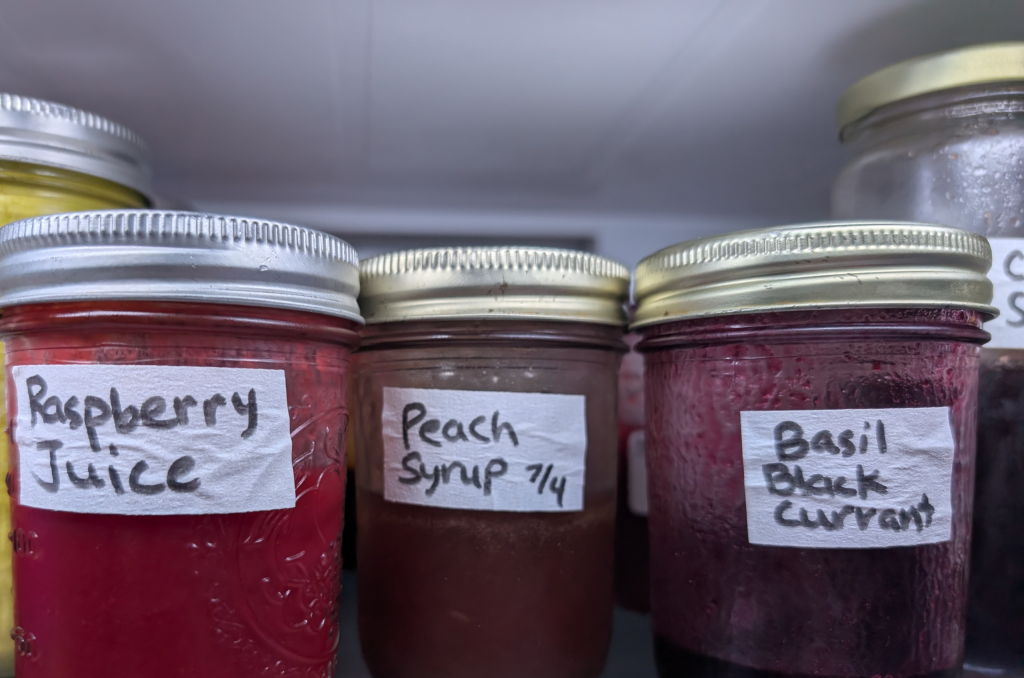
One Method, Endless Variations of Fruit Syrup
Once you have the base ratio down, you can run this with whatever fruit is coming through your kitchen that week. I’ve included four of my favorite combinations below, but honestly, once you make it once you’ll start seeing scrap syrup potential everywhere.
The ratio: equal parts fruit scraps and sugar, by weight.
The process:
- Add your fruit scraps to a clean jar
- Cover with an equal weight of sugar
- Stir to coat everything, then cover the jar loosely (a clean towel or loose-fitting lid works, you want a little airflow)
- Let it sit at room temperature for 24 to 48 hours, stirring once or twice a day. The sugar will pull the juice out of the fruit and mostly dissolve into a thick syrup
- Strain through a fine mesh strainer, pressing gently to get the last of the liquid out
- Bottle and refrigerate. It keeps about 2 to 3 weeks
That’s it. No stovetop needed, though if you want it shelf stable longer, a quick simmer and proper canning process will get you there (I’ll cover that in a future post).
This post contains affiliate links. As an Amazon Associate, I earn from qualifying purchases. If you purchase through these links, we may earn a small (very small) commission at no cost to you. We only recommend products we love. See our privacy policy for details.
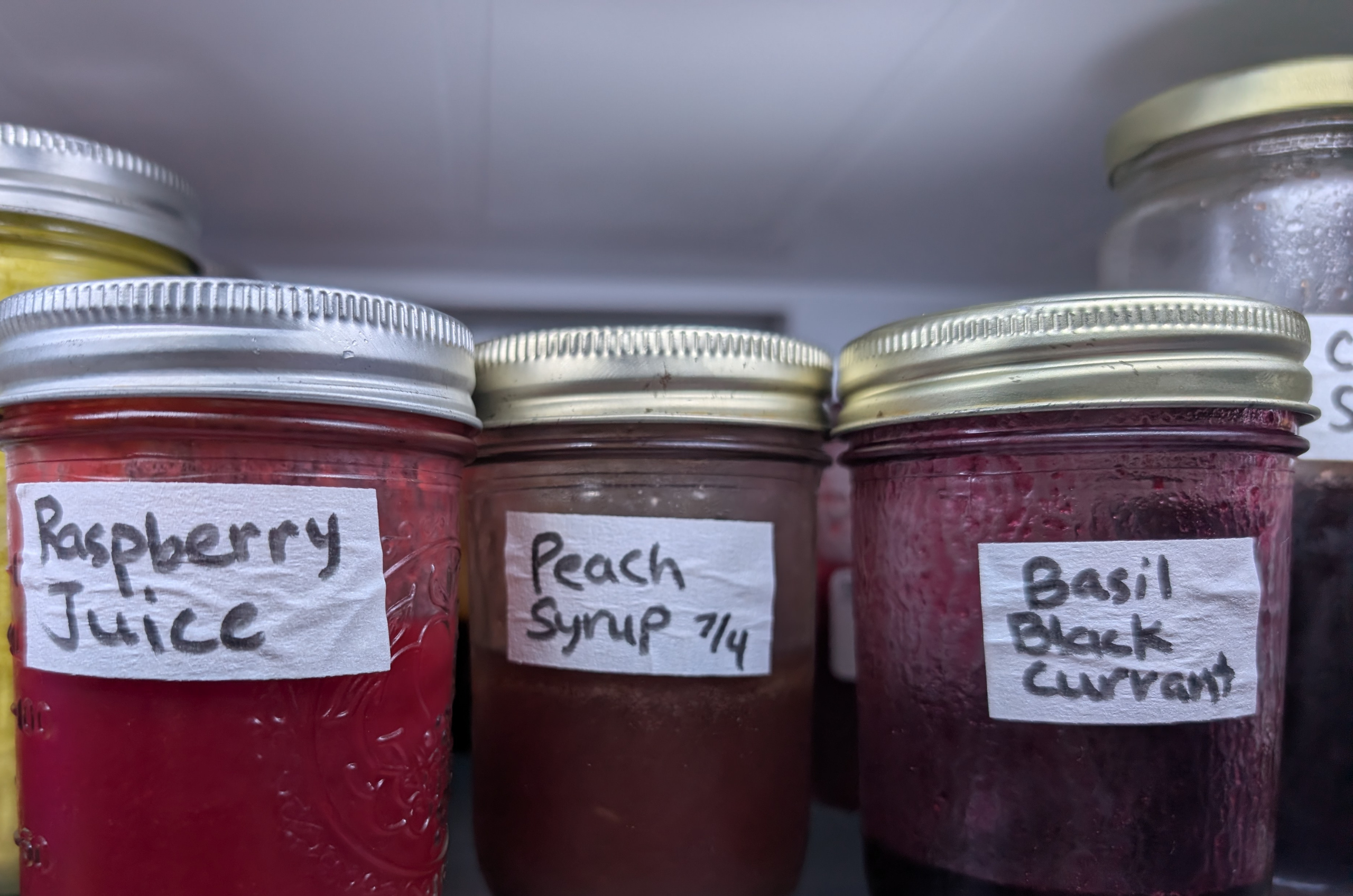
Fruit Syrup
Equipment
- 1 Strainer
- Flip top glass bottles optional for gifts or storage
Ingredients
- 1 cup sugar
- 1 cup fruit scraps-pits, peels etc
Instructions
- Toss your fruit peels, pits and scraps into a bowl.
- Pour sugar into the fruit scraps and stir.
- Cover and set on the counter for 12-48 hours stirring occasionally.
- Strain fruit scraps, store the fruit syrup in glass jars or bottles in the fridge.
Four Ways to Start Making Fruit Scrap Syrup
Pineapple
Save the core and rind next time you cut one up. This variation comes out bright and tropical, almost like a lighter, fresher version of pineapple juice concentrate. Pour it over fruit salad or use it to build a pineapple mocktail with sparkling water and lime.
Cherry
Pits and all. The pits give the syrup a faint almond note that I did not expect the first time I made this, and now it’s the reason I make it every cherry season. The color alone is worth it, a deep, jammy red that makes any drink look special.
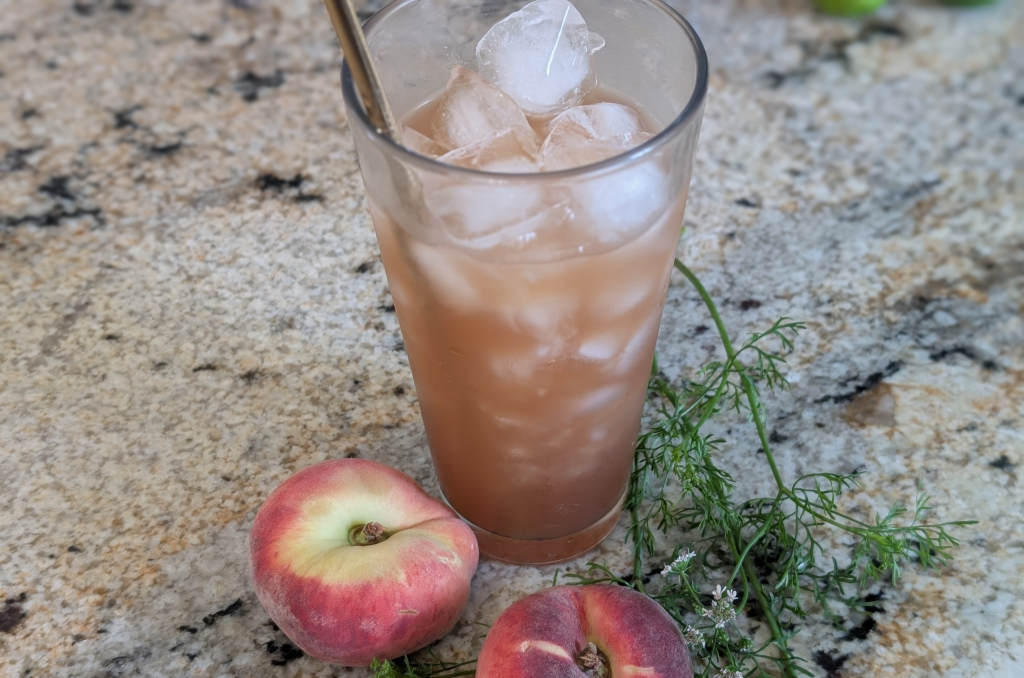
Peach
Skins and pits, or a whole soft peach that’s past its prime. This one comes out soft and floral, almost like peach nectar but with more depth. It’s my go-to for spiking a glass of sparkling wine or with lemon for a citrus kick to balance the sweet peaches.
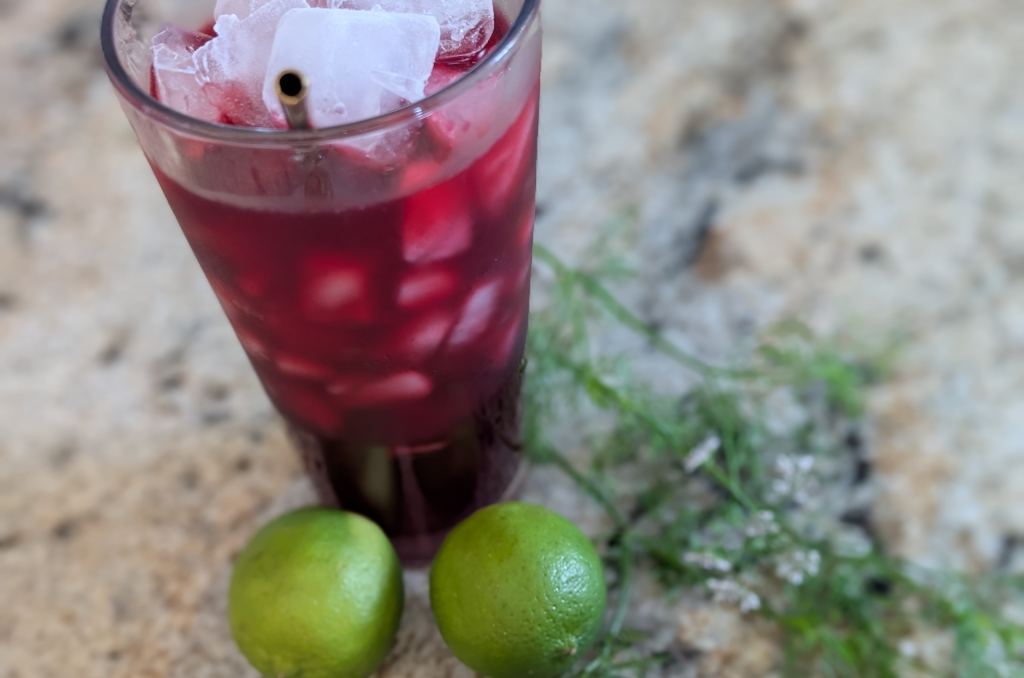
Black currant basil
Black currants plus a few bruised basil leaves added right before you strain. The basil only needs a few hours to make its presence known, so add it partway through if you want a lighter herbal note, or from the start if you want it more pronounced. This one leans savory enough for a vinaigrette.
Ways to use your fruit syrup
Once you have a jar in the fridge, here’s where it goes:
- Poured over fresh fruit salad in place of a store-bought dressing
- Stirred into sparkling water for a quick agua fresca
- The base for a mocktail, or the sweetener in a cocktail
- Whisked into olive oil and a splash of vinegar for a fruit-forward vinaigrette
- Drizzled over caprese, especially the black currant basil version
A few notes before you start
- Any fruit works here. These four are just where I started. If you’ve got citrus peels, berry tops, or a bruised apple, try it
- Don’t rinse waxed or heavily sprayed produce scraps without a good scrub first, since they’re sitting in the jar for a day or two
- If you see any mold, discard the batch. This shouldn’t happen in 24 to 48 hours at normal room temperature, but if your kitchen runs warm, check in on it
- The leftover fruit solids after straining still have flavor. I’ve folded them into muffin batter or dehydrated them into fruit leather rather than tossing them. Or cover with water and soak for 30 minutes, strain, pour over ice and enjoy.
If you’re looking for other ways to use up fruit scraps check out our Strawberry Rhubarb Shrub or Rhubarb Vinegar recipes. Both are delicious and also make great homemade gifts.